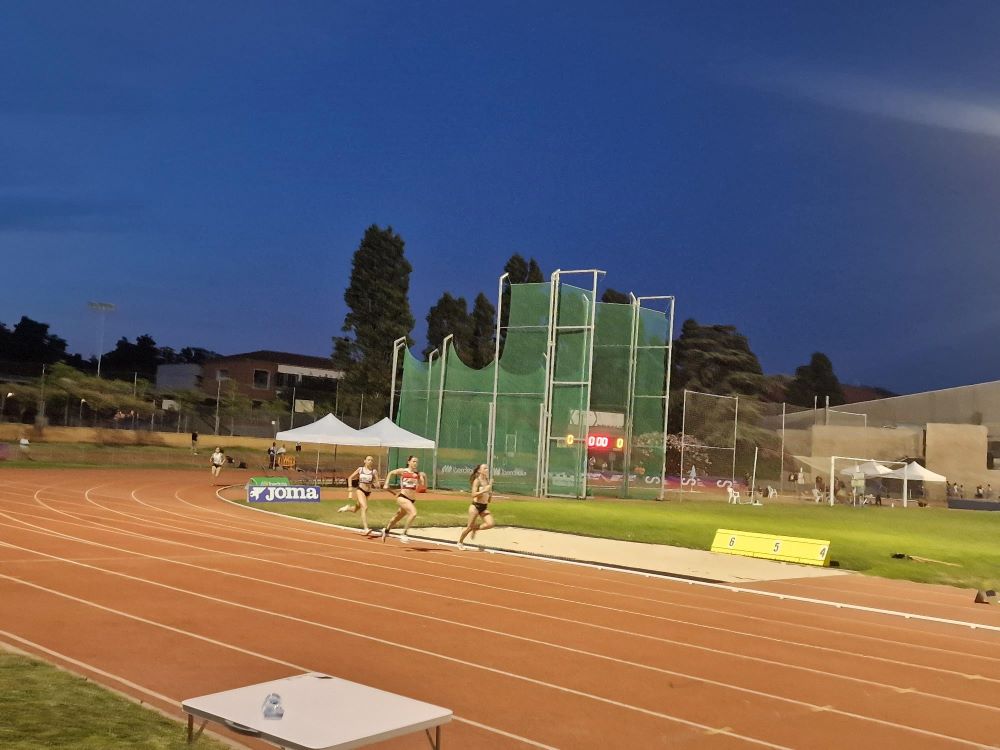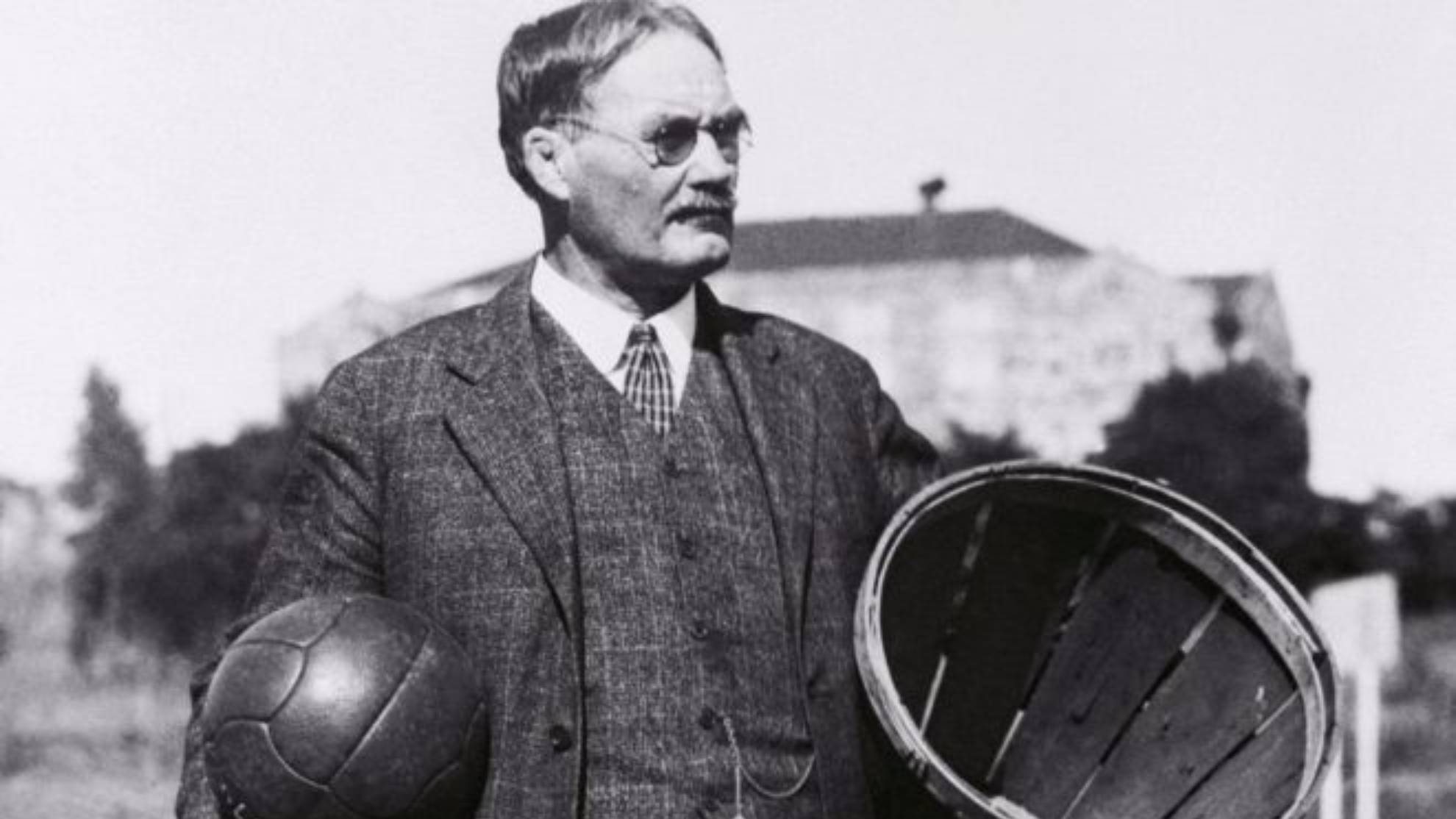






Athletics is undoubtedly one of the oldest sports disciplines in the world. Its roots go back thousands of years, to a time when sport was more than a competition: it was a ritual, a way of honoring the gods, a cultural manifestation. In this article, we take a look at the history of athletics, from its origins in Ancient Greece to becoming one of the cornerstones of the modern Olympic Games.
The origin of athletics in Ancient Greece
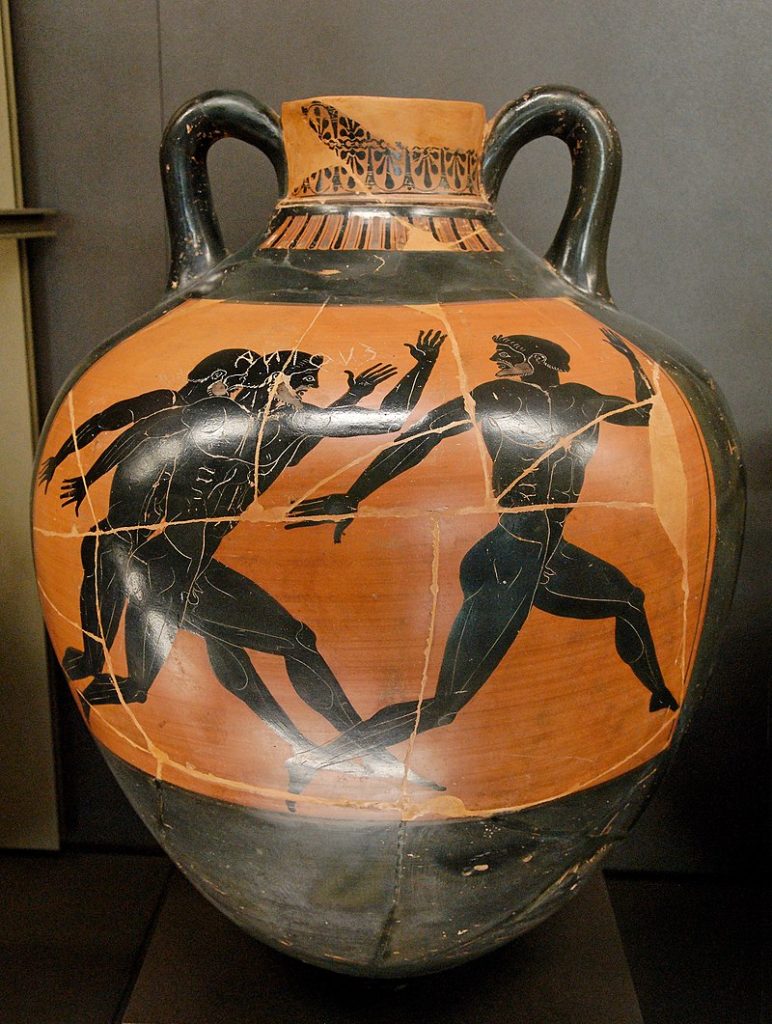
Talking about the history of athletics means going back to 776 B.C., the date officially recognized as the beginning of the ancient Olympic Games. Held in the city of Olympia, these games were born as a religious event in honor of Zeus, the supreme god of Olympus. Although only free Greek men participated, their impact was enormous, and they marked the beginning of the Western sporting tradition.
The most prominent event was the stadion, a race of about 192 meters that was run in a straight line. Over time, more disciplines were added, such as the pentathlon (which included long jump, discus, javelin, running and wrestling), pancratium (a mixture of wrestling and boxing) and other athletic disciplines.
These events were held every four years, establishing a cycle that still continues in today’s Olympic Games.
Athletics in the Middle Ages and the disappearance of the Games
After the expansion of the Roman Empire and the subsequent Christianization of the Western world, the Olympic Games were banned in 393 A.D. by Emperor Theodosius I, who considered them a pagan ritual. This fact marked a halt in the organized practice of athletics for centuries.
During the Middle Ages, although jousting, tournaments and other forms of physical competition were common, athletics as such virtually disappeared from public life. It was not until the Renaissance that Europe began to rediscover classical ideals, including the value of physical activity.
The renaissance of athletics: 18th and 19th centuries
The revival of interest in the sport came between the 18th and 19th centuries, especially in England, where local competitions were held that mixed running, jumping and throwing events. These events served as the basis for what we understand today as modern athletics.
In 1864, the Amateur Athletic Club was founded in London, and in 1880 the Amateur Athletic Association was created, laying the foundations for the official rules of athletics.
This resurgence of sport culminated in a historic event: the celebration of the first modern Olympic Games in Athens in 1896, thanks to the efforts of Baron Pierre de Coubertin. Athletics was the cornerstone of the Olympic program, including disciplines such as the high jump, shot put, marathon and more.
Athletics at the modern Olympic Games
Since its rebirth in 1896, athletics has been present at every Olympic Games, becoming the sport with the most disciplines and the largest number of medals at stake.
The marathon, inspired by the legend of the messenger Philipides, who ran the distance between Marathon and Athens to announce the victory over the Persians, became an iconic event. Today, its official distance is 42.195 km.
Throughout the 20th century, athletics witnessed unforgettable feats:
- Jesse Owens and his four golds in Berlin 1936, defying Nazi racism.
- The emergence of African athletes in the long-distance events, such as Abebe Bikila or Haile Gebrselassie.
- Bob Beamon’s jump in 1968, with 8.90 meters that broke the limits of human understanding.
- Usain Bolt and his impossible records in 100 and 200 meters, which redefined speed.
The evolution of modern athletics has also been marked by technological advances, improvements in nutrition, biomechanics and training methodologies.
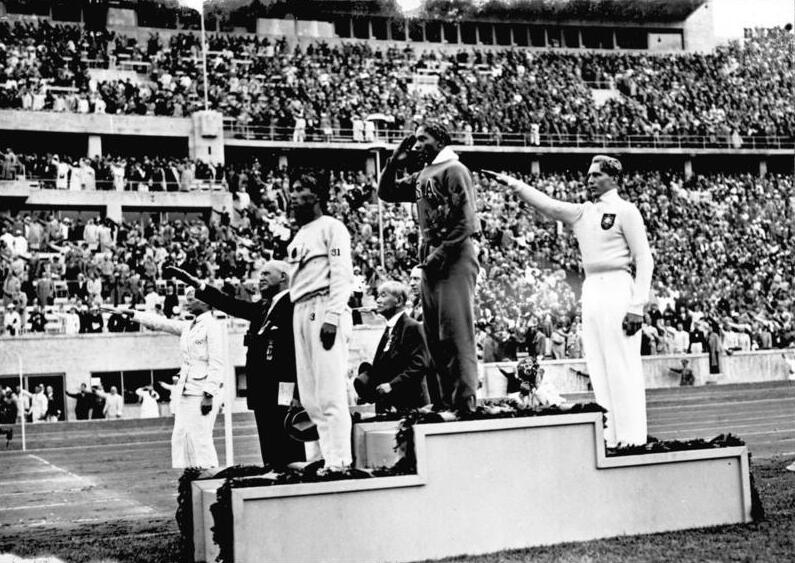
Zentralbild/Hoffmann
El atletismo hoy: un deporte global
Today, athletics is much more than an Olympic competition. It is present in world championships, European championships, national championships and thousands of popular events held in cities around the world.
The IAAF (today World Athletics) is the entity in charge of regulating the rules and promoting the development of athletics at the international level. Founded in 1912, the organization manages more than 20 athletic disciplines, which are grouped into:
- Sprint races (100 m, 200 m, 400 m)
- Middle and long distance (800 m, 1500 m, 5000 m, 10000 m)
- Fences and obstacles
- Athletic walking
- Jumps (high jump, long jump, pole vault, triple jump)
- Throws (shot put, discus, javelin, hammer)
- Combined events (decathlon and heptathlon)
In addition, popular athletics has gained strength with the proliferation of marathons, urban races, trails and other competitions where thousands of people participate for personal improvement or pure enjoyment.
In Spain: boom and tradition
In our country, athletics has a solid tradition. From historical figures such as Fermín Cacho, Ruth Beitia or Bruno Hortelano, to the massive participation in races such as the San Silvestre Vallecana or the Valencia Marathon.
The regional federations, together with local clubs and educational projects, have encouraged the practice of athletics from an early age. This support network has allowed the sport to evolve not only as an elite spectacle, but also as a means of health, integration and personal development.
Why continue to value the history of athletics?
Learning about the origins of athletics and its evolution is not just a history lesson. It is also a way to understand why this sport has endured through the millennia: because it is, in essence, human.
Running, jumping, throwing… are primal movements that transcend epochs, cultures and languages. Athletics is the universal language of effort, overcoming and limit.
And although the stadiums, stopwatches and running shoes may change, the spirit remains the same as that of the Greek who ran in the arena of Olympia.